
Common mistakes people make when using rat repellent include selecting products not suited for their environment, such as using indoor repellents outdoors. Incorrect or inconsistent application, like uneven coverage or skipping treatments, reduces effectiveness pest control for rats. Many also ignore environmental attractants like food and clutter that draw rats. Overreliance on repellents without sealing entry points or trapping fails to address infestations fully. Understanding these errors is key to improving rodent control and preventing frustration from wasted efforts.
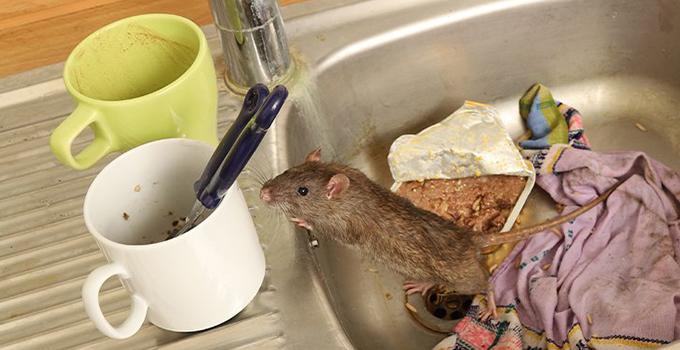
Using the Wrong Type of Rat Repellent for Your Situation
When selecting a rat repellent, choosing a product that does not align with the specific infestation environment often leads to ineffective results. Different rat repellents are formulated for various settings—indoor, outdoor, or structural applications—and using the wrong type compromises efficacy.
For example, ultrasonic repellents may work indoors but fail outdoors where sound disperses. Similarly, natural repellents might deter rats temporarily but lack lasting impact in heavy infestations.
Understanding the nature of the rat problem—location, severity igreenasia, and rat species—is essential before selecting a repellent. Freedom from rodent disturbance requires informed choices tailored to one’s unique circumstances, ensuring the repellent’s active ingredients and delivery method suit the environment.
Proper selection maximizes success, avoiding wasted effort and frustration caused by mismatched products.
Applying Rat Repellent Incorrectly or Inconsistently
Frequently, the effectiveness of rat repellent is compromised by improper or inconsistent application.
Applying the product unevenly or skipping scheduled treatments allows rats to return and repopulate.
Users may underestimate the need for thorough coverage, leaving gaps where rats can thrive.
Additionally, failing to reapply after rain or cleaning can reduce the repellent’s potency.
Consistent and correct use is essential to maintain a rat-free environment.
Common application mistakes include:
- Applying repellent only once instead of regularly
- Missing hard-to-reach areas where rats hide
- Ignoring product instructions on quantity and frequency
- Using repellent sporadically or halting use prematurely
Freedom from rats demands disciplined, precise application to guarantee lasting protection.
Ignoring Environmental Factors That Attract Rats
Proper application of rat repellent alone cannot guarantee success if the surrounding environment continues to attract rodents. Ignoring factors such as accessible food sources, standing water, and cluttered spaces undermines repellent efforts. Rats thrive in environments where waste is unmanaged, pet food is left outdoors, or vegetation provides cover. Without addressing these conditions, repellents act only as temporary deterrents rather than permanent solutions.
Effective rodent control requires reducing attractants by sealing garbage bins, removing debris, and maintaining clean surroundings. Freedom from infestations depends on a holistic approach that combines repellent use with environmental management. Neglecting these elements often leads to persistent rat activity despite repellent application, frustrating users who seek lasting relief and autonomy over their living spaces.

Overlooking the Need for Regular Reapplication and Maintenance
Regular reapplication and maintenance of rat repellent are often underestimated yet essential components of effective rodent control. Without consistent upkeep, repellents lose potency, allowing rats to return freely.
Many users mistakenly apply repellent once, expecting lasting results, only to find rats reappearing. Maintaining an effective barrier requires vigilance and timely action.
Key considerations include:
- Reapplying repellent after rainfall or cleaning to maintain its effectiveness
- Inspecting treated areas regularly for signs of diminished repellent presence
- Replenishing repellent according to manufacturer guidelines without delay
- Ensuring environmental factors don’t degrade repellent faster than expected
Relying Solely on Repellents Without Other Control Methods
When addressing rodent problems, relying solely on repellents neglects the complexity of effective pest management. Repellents can temporarily discourage rats, but they do not eliminate nests, food sources, or entry points. Without combining repellents with sanitation, exclusion, and trapping, infestations persist or worsen.
True freedom from rodents requires a comprehensive approach that targets the root causes, not just symptoms. Overdependence on repellents creates a false sense of security, delaying necessary actions that prevent reinfestation. Integrating multiple control methods empowers individuals to reclaim their spaces effectively and sustainably.
Ultimately, embracing a balanced strategy guarantees long-term success, reducing reliance on chemicals and fostering an environment where freedom from pests is achievable through informed, proactive measures.
Conclusion
Effective rat control requires more than just using repellents. Common mistakes include selecting inappropriate repellents, applying them incorrectly, and neglecting environmental factors that attract rats. Additionally, failure to reapply regularly and relying solely on repellents without integrating other control measures often leads to poor results. A thorough approach, combining proper repellent use with sanitation and physical barriers, is essential for successfully managing rat problems and preventing reinfestation.